
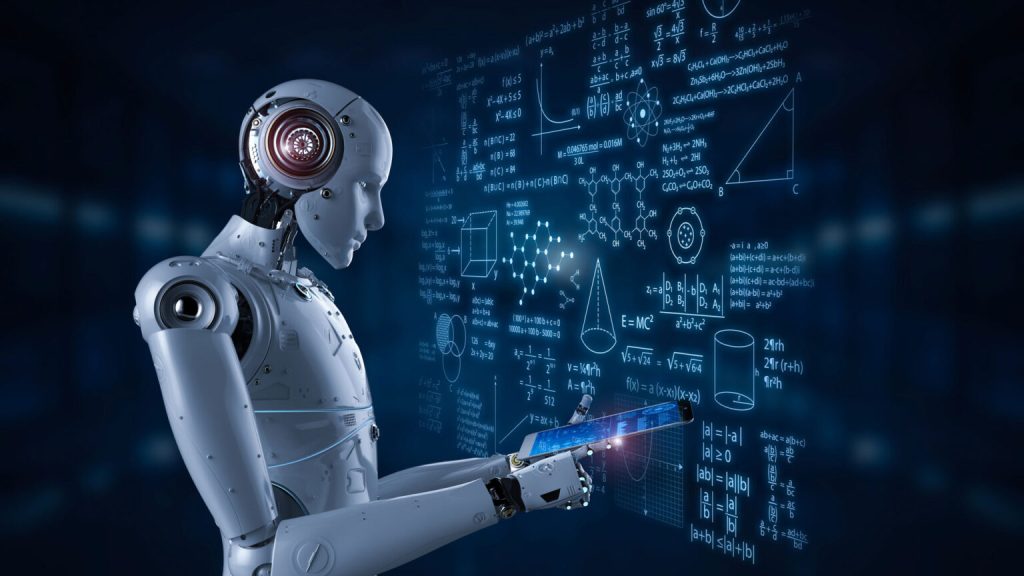
As the digital world continues to evolve at an unprecedented pace, Machine Learning (ML) has become a driving force behind innovation across industries. By enabling systems to analyze data, recognize patterns, and make informed decisions with minimal human input, ML is fundamentally changing how organizations operate and compete.
What Is Machine Learning?
Machine Learning is a branch of Artificial Intelligence that allows computers to improve their performance through experience. Rather than relying on fixed rules, ML systems learn from data, creating models that can predict outcomes, identify trends, and support decision-making.
Essential Elements of Machine Learning
At its core, Machine Learning relies on several key components:
Data collection and preparation
Algorithms and models
Training and evaluation processes
Continuous improvement through feedback
Major Categories of Machine Learning
Supervised Learning: Uses labeled datasets to train models that predict specific outcomes
Unsupervised Learning: Analyzes unlabeled data to uncover hidden structures or patterns
Reinforcement Learning: Optimizes decisions through rewards and penalties based on actions taken
Real-World Applications Across Industries
Machine Learning is already delivering value in a wide range of sectors:
Healthcare: Early disease detection, diagnostic imaging, and customized treatment strategies
Finance: Fraud prevention, credit scoring, and automated trading systems
Manufacturing: Equipment failure prediction, defect detection, and workflow optimization
Retail: Demand forecasting, personalized marketing, and intelligent recommendation engines
How Machine Learning Is Transforming Businesses
ML adoption leads to significant organizational benefits:
Smarter Decision-Making: Actionable insights derived from large-scale data analysis
Operational Efficiency: Automation of routine and time-consuming processes
Enhanced Customer Engagement: Tailored experiences based on individual preferences
Accelerated Innovation: Development of advanced products and services powered by ML
Emerging Trends in Machine Learning
Looking ahead, several trends are shaping the future of ML:
Automated Machine Learning (AutoML): Simplifying model development for non-experts
Edge AI: Running ML models directly on devices for faster, real-time responses
Explainable AI (XAI): Improving transparency and trust in AI-driven decisions
Federated Learning: Enabling shared model training while keeping data decentralized and secure
Challenges in Machine Learning Adoption
Despite its potential, implementing ML comes with obstacles:
Data Quality Issues: Inaccurate or biased data can undermine results
Talent Shortages: High demand for skilled ML professionals
System Integration: Aligning ML tools with existing IT infrastructure
Ethical Considerations: Managing privacy, fairness, and responsible AI use
Steps to Begin Your Machine Learning Journey
Organizations looking to adopt ML should take a structured approach:
Define clear business challenges suitable for ML solutions
Evaluate the availability and reliability of data
Launch small pilot projects to test feasibility
Develop in-house expertise or partner with specialists
Expand successful initiatives across the enterprise
Key Takeaways: Machine Learning as a Competitive Advantage
Machine Learning represents more than just technological progress—it marks a shift in how businesses create value and maintain competitiveness. Companies that strategically adopt ML and invest in the right capabilities will be well-equipped to succeed in an increasingly data-centric future.
Consult with Billbrain Technologies to turn your data into a powerful business asset in the age of machine learning. Our experts help you harness ML-driven insights to optimize operations, enhance decision-making, and fuel innovation. With a strategic, responsible approach to AI, Billbrain positions your organization for sustained success in a data-driven future.