
Software Development

the dawn of software engineering

Software as a Strategic Asset: How Modern Applications Power Growth, Efficiency, and Trust

In today’s digital-first economy, software is no longer a support tool—it is the backbone of how organizations operate, make decisions, and deliver value. From mobile applications and web-based platforms to enterprise and installable systems, software shapes productivity, accountability, and innovation across every sector. For businesses, NGOs, development agencies, and government institutions, investing in the right software is a strategic decision—one that determines efficiency today and adaptability tomorrow. Understanding Software in the Modern Organizational Context Modern organizations rely on diverse software systems, each designed to serve specific operational and strategic needs. The most effective digital environments are not built on a single application, but on an ecosystem of interconnected systems. Key Types of Software and Their Organizational Value 1. Customer Relationship Management (CRM) SystemsCRMs help organizations manage interactions with customers, partners, donors, or beneficiaries. They centralize communication, track engagement, and support relationship-driven growth and service delivery. 2. Operational and Process Management SystemsThese systems support day-to-day operations such as finance, procurement, inventory, HR, and logistics. By automating workflows and enforcing consistency, they improve efficiency, accuracy, and compliance. 3. Decision Support and Business Intelligence SystemsDecision support systems transform raw data into actionable insights. Through dashboards, analytics, and reporting, leaders gain visibility into performance, trends, and risks—enabling evidence-based decision-making. 4. Enterprise Resource Planning (ERP) SystemsERPs integrate multiple operational functions into a unified platform. They reduce data silos, improve coordination, and provide a single source of truth across departments. 5. Collaboration and Knowledge Management SystemsThese platforms enable teams to share information, manage documents, and collaborate effectively—especially critical for distributed teams and multi-stakeholder environments. 6. Mobile and Field ApplicationsDesigned for accessibility and real-time data capture, mobile applications empower field teams, sales staff, and service agents to operate efficiently beyond traditional office settings. Each software category plays a unique role—but their true power is realized when they work together seamlessly. Smart Systems That Talk to Each Other: The Power of Integration Isolated systems create inefficiencies, duplicate data, and limit visibility. Modern organizations need intelligent, interconnected software ecosystems where systems “speak” to each other. Integrated systems: Eliminate data silos Improve accuracy and consistency Enable real-time information flow Support automation across departments Enhance decision-making and responsiveness APIs, shared data models, and integration layers ensure that CRM systems, operational platforms, mobile apps, and analytics tools function as a unified whole—rather than disconnected parts. From Idea to Impact: The Software Development Life Cycle Successful software does not happen by accident. It is the result of disciplined planning, technical expertise, and continuous management across the entire software life cycle. 1. Strategic Planning and Requirements Definition Every effective system begins with a clear understanding of business objectives, user needs, and constraints. This phase ensures technology aligns with purpose—not assumptions. 2. Solution Design and Architecture Design translates requirements into scalable, secure, and maintainable system structures. Good design anticipates growth, integration needs, and future change. 3. Development and Implementation During development, quality code, testing, and adherence to best practices ensure reliability, performance, and security from the outset. 4. Deployment and Change Management Successful deployment involves more than going live. User training, data migration, and stakeholder engagement are critical for adoption and success. 5. Maintenance, Support, and Optimization Software must evolve alongside organizational needs. Ongoing maintenance, performance tuning, security updates, and enhancements keep systems relevant and reliable. 6. End-of-Life Planning and System Evolution Every system has a lifecycle. Planning for upgrades, replacements, or decommissioning ensures continuity and protects long-term investments. Why Project Management and Specialized Expertise Matter Software development is a multidisciplinary endeavor—requiring more than just developers. Effective delivery depends on strong project management, clear governance, and specialized expertise across roles. Successful software initiatives involve: Business analysts who understand workflows and requirements Architects who design scalable and secure systems Developers and engineers who build reliable solutions UX/UI designers who ensure usability and adoption Project managers who coordinate scope, timelines, and risk Support teams who sustain long-term performance Without structured project management, even well-funded projects risk delays, scope creep, and failure to achieve objectives. Quality and Security: Non-Negotiable Foundations High-quality software builds trust. Secure software protects reputation, data, and continuity. Organizations must prioritize: Robust testing and quality assurance Secure authentication and access controls Data protection and compliance measures Resilience, backups, and recovery planning Quality and security are not add-ons—they are core design principles. Billbrain Technologies: End-to-End Software Expertise At Billbrain Technologies, software development is approached holistically—from strategy to execution and beyond. The focus is on building intelligent, integrated, and secure systems that deliver real organizational value. Billbrain provides: Custom software across mobile, web, and enterprise platforms Integrated systems that communicate seamlessly Structured project management and governance Full life-cycle support—from planning to end-of-life Solutions aligned with business objectives and user realities This end-to-end expertise ensures software systems achieve their intended purpose—efficiently, securely, and sustainably. Software That Works Today—and Adapts for Tomorrow In a rapidly evolving digital landscape, organizations need software that is not only functional, but future-ready. Thoughtfully designed systems, built with quality and integration in mind, become long-term assets that support growth, innovation, and resilience. The difference lies in approach, expertise, and partnership. Build Strategic Software with us If your organization is planning new systems, modernizing existing platforms, or seeking smarter, integrated software solutions, Billbrain Technologies is ready to partner with you. Get in touch with Billbrain Technologies today to design, develop, and manage secure, high-quality software—built to meet your objectives and evolve with your organization. Let’s build software that delivers impact—every step of the way.

Software as a Strategic Asset: How Modern Applications Power Growth, Efficiency, and Trust Read More »

innovation in uganda

Technology Innovation in Uganda: The Journey So Far, the Breakthroughs, and the Road Ahead

Over the past two decades, Uganda has undergone a quiet but powerful digital transformation. From modest beginnings marked by limited connectivity and access to technology, the country is steadily emerging as a hub of innovation in East Africa. This journey has been driven by visionary entrepreneurs, a youthful population, supportive policies, and technology companies like Billbrain Technologies that are committed to building solutions for local and global challenges. This article explores Uganda’s technology innovation journey so far, highlights key milestones and breakthroughs, and looks ahead to what the future holds. The Early Days: Laying the Digital Foundation Uganda’s technology journey began with fundamental challenges—limited internet access, high costs of hardware, and low digital literacy. In the early 2000s, technology was largely confined to government offices, universities, and a few private institutions. Key developments during this phase included: The introduction of basic ICT infrastructure Growth of mobile telephony Early computer literacy programs in schools and universities While progress was slow, these foundational steps planted the seeds for future innovation. The Rise of Mobile and Internet-Driven Innovation The turning point came with the rapid adoption of mobile technology and affordable internet access. Uganda’s high mobile phone penetration opened new doors for innovation, especially in areas such as: Mobile money and digital payments E-government services Agri-tech and health-tech solutions Online education and digital media Innovators began solving real Ugandan problems using technology—connecting farmers to markets, improving access to healthcare information, and enabling small businesses to transact digitally. The Startup Ecosystem and Homegrown Solutions Over the last decade, Uganda’s startup ecosystem has matured significantly. Innovation hubs, tech incubators, and co-working spaces have emerged, fostering collaboration and creativity among young developers and entrepreneurs. What stands out about Uganda’s tech innovation is its problem-solving mindset. Rather than copying global trends, many local solutions are built with a deep understanding of: Local market realities Cultural context Infrastructure limitations Companies like Billbrain Technologies exemplify this approach by designing scalable, practical, and secure technology solutions that empower businesses, institutions, and communities. Policy, Partnerships, and Skills Development Government support and regional partnerships have also played a critical role. Investments in ICT infrastructure, digital skills training, and public-private collaborations have helped accelerate innovation. Notable progress includes: National ICT policies supporting digital transformation Increased emphasis on STEM education Partnerships between tech companies, universities, and development organizations These efforts are gradually bridging the skills gap and preparing Uganda’s workforce for the digital economy. The Challenges That Remain Despite impressive progress, challenges still exist: Gaps in advanced technical skills Limited access to funding for startups Cybersecurity and data protection concerns Uneven digital access between urban and rural areas Addressing these challenges requires collaboration between technology providers, policymakers, educators, and the private sector. The Road Ahead: What the Future Holds The future of technology innovation in Uganda is promising. With a young, tech-savvy population and increasing global attention, the next phase will likely focus on: Artificial Intelligence and data-driven solutions Fintech and digital financial inclusion Smart systems for education, health, and agriculture Cybersecurity and digital trust Exporting Ugandan-built technology to regional and global markets At Billbrain Technologies, we believe the future belongs to innovators who build with purpose—solutions that are not only technologically advanced but also socially impactful. Uganda’s technology innovation journey is far from over. From humble beginnings to a growing digital ecosystem, the progress so far is a testament to resilience, creativity, and ambition. As the country moves forward, technology will remain a powerful driver of economic growth, inclusion, and transformation. Billbrain Technologies is proud to be part of this journey—building today, innovating for tomorrow, and shaping a smarter, more connected Uganda.

Technology Innovation in Uganda: The Journey So Far, the Breakthroughs, and the Road Ahead Read More »

african owned tech companies africa business investment

Why Training and Capacity Building—Especially in Technology—Are Essential for Your Business

By Billbrain Technologies At Billbrain Technologies, we understand that the true power of digital transformation lies not only in the tools you adopt but in the people who use them. As technology advances, businesses must ensure their teams have the skills, confidence, and adaptability to keep pace. That’s why our Training and Capacity Building services are designed to empower organizations with practical, future-oriented technological capabilities. Driving Productivity Through Digital Skills Employees who understand modern digital tools work smarter and deliver higher-quality results. Our training equips teams to use the technologies they rely on daily—improving efficiency, reducing errors, and increasing overall productivity. Fueling Innovation and Growth Innovation thrives where there is knowledge. At Billbrain Technologies, we help organizations unlock new possibilities by training their teams in cutting-edge technologies. From automation to data analytics, our programs cultivate a culture of innovation and continuous improvement. Building Organizational Resilience In a rapidly changing digital landscape, agility is essential. Our capacity-building programs prepare businesses to navigate technological change with confidence—whether adopting new platforms, integrating emerging tools, or responding to shifts in the market. Enhancing Employee Engagement and Retention Employees value companies that invest in their growth. By offering structured development opportunities, businesses not only strengthen skills but also boost morale, loyalty, and long-term retention. Training Areas Offered at Billbrain Technologies Billbrain Technologies provides comprehensive training across a wide range of digital and technological disciplines, including: Digital Literacy & Essential Computer Skills Data Analytics & Business Intelligence Cybersecurity Awareness & Best Practices Software Development & Programming (Python, JavaScript, etc.) Cloud Computing (Azure, AWS, Google Cloud) Enterprise Systems & Productivity Tools (Microsoft 365, Google Workspace) Digital Marketing & Social Media Management ICT Infrastructure & Network Management AI & Automation Fundamentals Project Management & Agile Methodologies These programs are designed to be practical, hands-on, and adaptable to your organization’s needs—ensuring your team gains real skills that drive performance. At Billbrain Technologies, we don’t just implement digital solutions—we build the human capacity behind them. Our Training and Capacity Building services equip your workforce with the skills needed to succeed today and lead tomorrow.

Why Training and Capacity Building—Especially in Technology—Are Essential for Your Business Read More »

hanmark technologies training 2

Billbrain Technologies Partners with Hanmark Technologies to Deliver Custom Software Solutions to the Ugandan Market

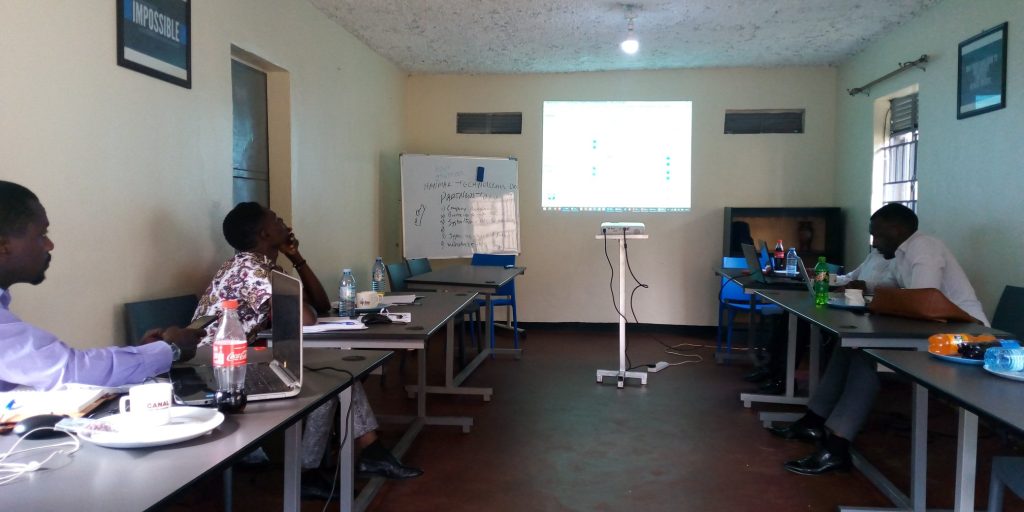
Billbrain Technologies is excited to announce our strategic partnership with Hanmark Technologies from Kenya to bring robust, custom software solutions to the Ugandan market. This collaboration aims to leverage both companies’ strengths and experience to enhance the quality of software solutions available to local businesses and organizations, further driving digital transformation in Uganda. Training & Support at Billbrain’s Innovation Centre As part of our partnership, Hanmark Technologies has brought their expertise to Uganda, hosting a series of in-country support training sessions at Billbrain Technologies’ Training & Innovation Centre in Bukoto, Kampala. The training, which began today, focuses on equipping local businesses and IT professionals with the knowledge and skills necessary to implement and maximize the potential of Hanmark’s products and solutions. This hands-on training is a vital step in ensuring that businesses in Uganda can effectively integrate custom software and technology solutions into their operations. The sessions are tailored to address the unique needs of Ugandan businesses, offering practical insights and guidance on leveraging technology to drive growth, enhance productivity, and improve operational efficiencies. The training will continue tomorrow, and Billbrain Technologies is proud to host such an important event that will empower local businesses to thrive in the digital age. Strengthening Local Capacity with Global Expertise Our partnership with Hanmark Technologies reflects our commitment to bringing world-class solutions to Uganda and strengthening local capacity in the technology sector. By combining our deep understanding of the Ugandan market with Hanmark’s innovative software products, we are confident that this collaboration will play a pivotal role in advancing digital solutions across industries. At Billbrain Technologies, we believe in the power of capacity building, and this training event is a clear demonstration of our ongoing efforts to upskill Uganda’s workforce, enabling them to embrace digital tools and solutions for improved business performance. Looking Ahead: A Stronger, More Digitally Resilient Uganda This partnership and training initiative are just the beginning of what we believe will be a long-lasting collaboration that will bring lasting value to businesses in Uganda. As we continue to work with Hanmark Technologies, we are excited about the possibilities of helping local businesses thrive in an increasingly digital and technology-driven economy. We look forward to continuing to offer custom software solutions, training, and innovation that will shape Uganda’s future and empower businesses across various sectors to adapt to the challenges of the digital world.

Billbrain Technologies Partners with Hanmark Technologies to Deliver Custom Software Solutions to the Ugandan Market Read More »